
Driving First-Time Fixes through Advanced Emissions Diagnostics and Telematics Triage
Author: Jonathan Gardener, Technical Director, Fulcrum Mechanical Services
Focus: Workshop Upskilling, Retrofit Exhaust Systems, and Pre-emptive Fault Diagnosis
Overview
With emissions compliance tightly linked to fleet availability, treating complex exhaust retrofit systems as a “black box” is a major driver of unnecessary workshop downtime. When a regional passenger transport operator identified a vulnerability in their first-time fix rates on Euro VI retrofit systems, Fulcrum Mechanical Services was brought in to deliver a targeted technical intervention.
We designed and executed a practical, workshop-floor familiarisation and diagnostic programme for two of the operator’s shift technicians. The objective was clear: move away from reactive parts-swapping and establish a structured, data-driven diagnostic protocol.
The Technical Intervention
The training focused on translating raw system data into actionable workshop decisions, split into three core areas:
1. Remote Triage via Telematics
Instead of waiting for a vehicle to return to the depot with a glowing MIL, we trained the technicians to leverage live telematics data.
- Pre-arrival Diagnostics: Technicians learned how to interrogate and manipulate live data streams while the vehicle was still out on route.
Operational Impact: By interpreting fault codes and sensor trends remotely, the workshop can now identify the root cause, verify parts stock, and allocate bay space before the wheels even touch the yard. This completely eliminates diagnostic lag time upon arrival.2. Mastering Emtec Software & System Baselines
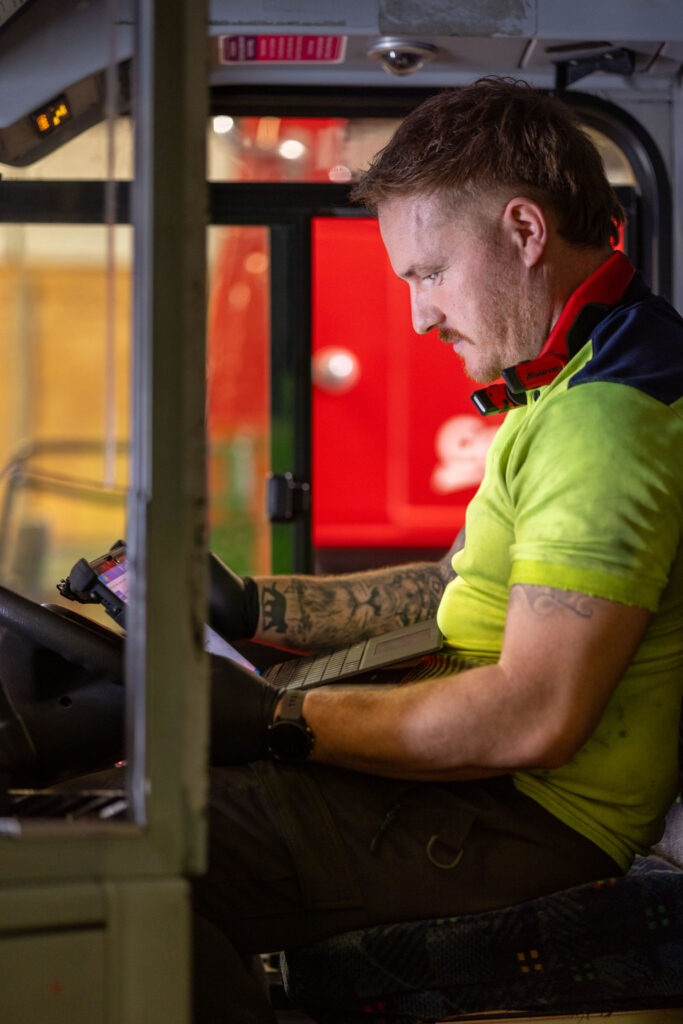
Effective fault-finding requires knowing exactly what “good” looks like. We walked the technicians through deep navigation of the Emtec software platform. They mastered the ability to interpret live sensor outputs, screen for sub-optimal performance, and understand precisely what values the system should display across different operating temperatures and exhaust pressures.
3. Live & Simulated Troubleshooting
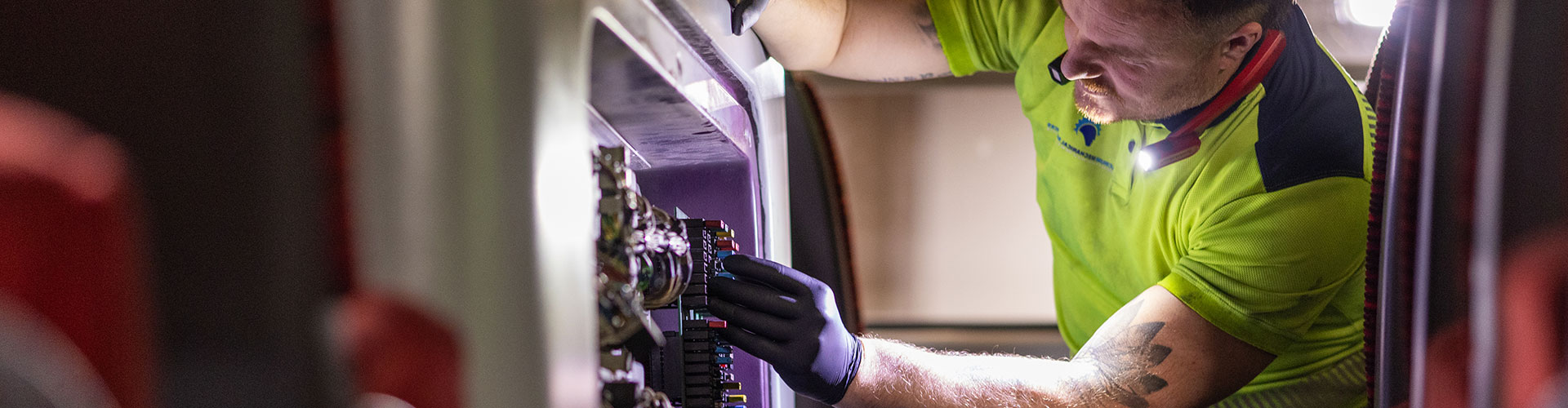
Theory was immediately put into practice on the shop floor. I personally structured and oversaw the practical validation sessions:
- Simulated Faults: We introduced controlled, real-world fault scenarios into the system to test the technicians’ adherence to the diagnostic protocol.
- Live Defect Resolution: We tackled outstanding, live emissions jobs within their active fleet, clearing existing defects during the session.
Workshop Outcomes
By conducting this intensive programme within the operator’s own facility and utilising their own fleet, the learning curve was flattened immediately.
The two technicians successfully transitioned to completely independent fault resolution on these complex systems. They are now equipped with a repeatable, tried-and-tested diagnostic methodology. For the Engineering Director, this delivers an immediate return: reduced VOR days, a significant drop in repeat failures, and a workshop floor capable of pre-emptive fleet maintenance.